
Article about experiential learning courses
Beyond the Classroom: The Ultimate Guide to Experiential Learning Courses
In the rapidly evolving landscape of professional development and academic instruction, the traditional "lecture and listen" model is becoming obsolete. We live in an era that demands agility, adaptability, and practical application of knowledge. Enter experiential learning courses—a dynamic educational approach that bridges the gap between theory and practice.
Whether you are an educator looking to engage students, a corporate trainer aiming to upskill a workforce, or a lifelong learner seeking mastery, understanding the mechanics of experiential learning is crucial.
Definition:
Experiential learning courses are structured educational programs based on the philosophy of "learning by doing." Unlike passive learning methods, these courses immerse participants in hands-on scenarios, simulations, or real-world challenges, followed by guided reflection to solidify the knowledge gained and apply it to future situations.

What Are Experiential Learning Courses?
At its core, the concept of experiential learning is rooted in the work of educational theorist David Kolb. While traditional education often focuses on the transmission of abstract concepts from teacher to student, experiential courses flip this model. They prioritize the learner's direct encounter with the subject matter.
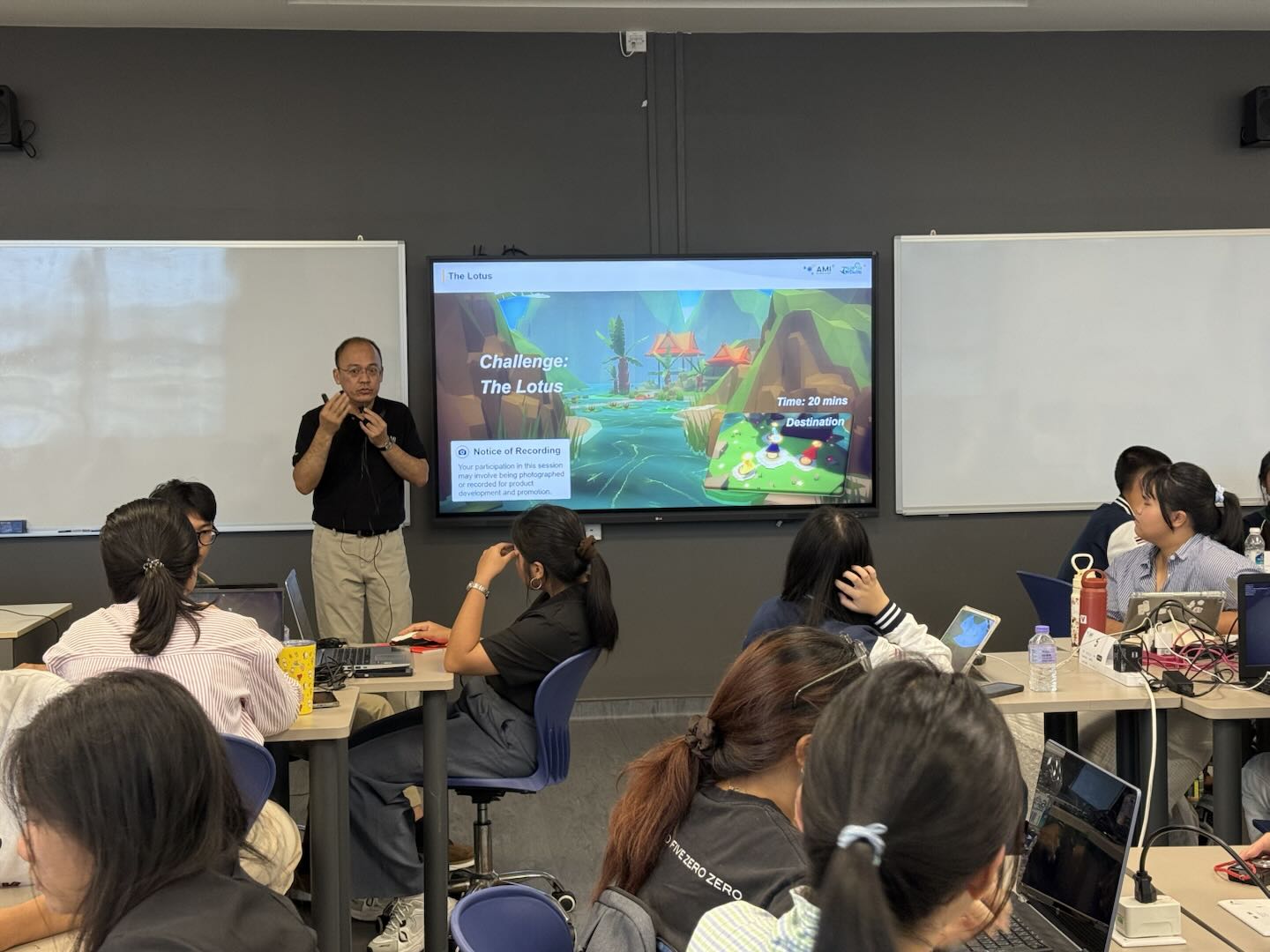
In a standard classroom, you might read a book about leadership. In experiential learning courses, you might lead a team through a simulated crisis or a high-stakes group project. The learning comes not just from the success of the project, but from the friction, the decision-making processes, and the immediate feedback loops inherent in the activity.
This approach is transforming the wider landscape of Education, moving institutions and corporate academies away from rote memorization and toward competency-based development. By engaging the learner's emotions, intellect, and physical senses, these courses create deeper cognitive pathways, making the information easier to retain and recall.
The Core Cycle: How Experiential Learning Courses Work
To understand how to implement these courses, one must understand the cycle that drives them. An effective experiential course isn't just "playtime"; it is a rigorous process designed around four distinct stages:
1. Concrete Experience (Doing)
The learner actively participates in an experience. This could be a role-playing exercise, a field trip, a laboratory experiment, or a gamified business simulation.
2. Reflective Observation (Reflecting)
This is where the magic happens. After the task, participants step back to review what occurred. Facilitators ask questions like: What went wrong? Why did we make that choice? How did the team communicate?
3. Abstract Conceptualization (Thinking)
Learners interpret the events and understand the relationships between them. They form theories or grasp new concepts based on their reflection. For example, realizing that "interruption causes data loss" during a communication game.
4. Active Experimentation (Applying)
Finally, learners plan how to test their new theories or use their new skills in the next iteration or in their real jobs.
For a practical example of how this cycle is applied using modern tools, you can look at how institutions are Revolutionizing Education: Strengths Leadership Workshop Through Play and Technology. This highlights how technology and gamification can serve as the "Concrete Experience" that kicks off the learning cycle.
Why Are Experiential Learning Courses Important?
The importance of experiential learning courses lies in the "Retention Rate." According to the Learning Pyramid, students retain about 5% of what they hear in a lecture but up to 75% of what they practice by doing.
Bridging the Skills Gap
In the corporate world, there is often a chasm between "knowing" and "doing." A manager might pass a written exam on conflict resolution but fail to handle an angry client. Experiential courses provide a safe sandbox to practice these high-stakes skills without real-world consequences.
fostering Emotional Intelligence
You cannot learn empathy from a slide deck. By placing learners in scenarios where they must negotiate, listen, and collaborate, these courses naturally develop soft skills.
What Are the Benefits of Experiential Learning Courses?
When organizations invest in experiential learning courses, the return on investment (ROI) is often seen in behavioral changes rather than just test scores.
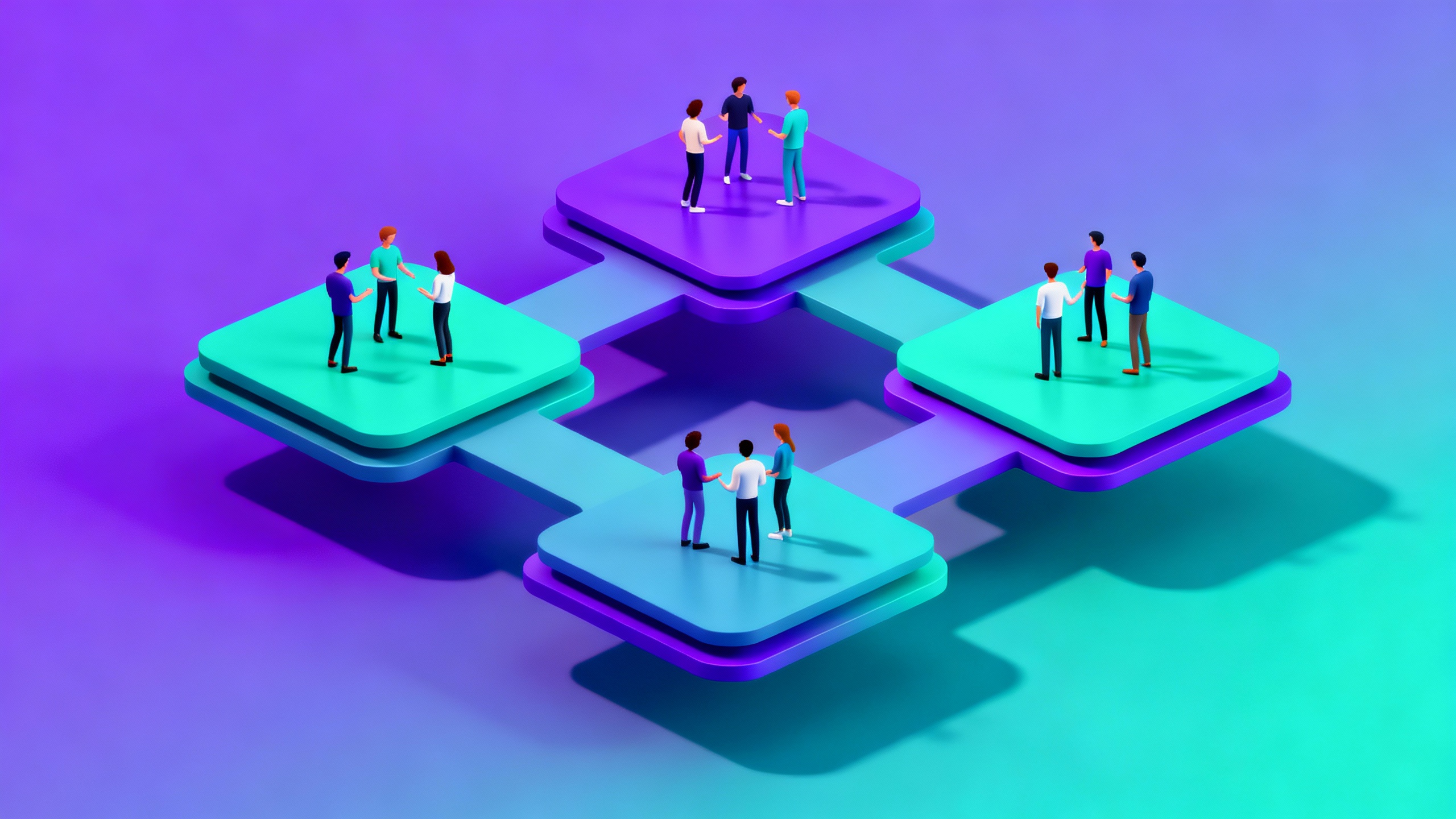
1. Enhanced Critical Thinking and Problem Solving
When learners are faced with unpredictable variables in a simulation, they cannot rely on a script. They must analyze the situation in real-time. This is evident in programs designed for diverse student profiles, such as those described in Unlocking Diverse Insights: TEAM FORGING Enhances Critical Thinking and Problem-Solving Skills Among a Spectrum of Student Profiles at PSB Academy. Real-time challenges force learners to synthesize information rapidly.
2. Accelerated Learning
Because the learning is active and often emotional, the brain encodes the information faster. The "Aha!" moments generated during a hands-on activity are more memorable than reading a paragraph in a manual.
3. Safe Environment for Failure
In a flight simulator, crashing the plane is a learning opportunity, not a tragedy. Experiential courses normalize failure as a part of the growth process, encouraging risk-taking and innovation.
4. Improved Leadership Capabilities
Leadership is a behavior, not a title. Through group dynamics and team challenges, potential leaders are identified and developed. A robust Leadership Program often relies heavily on experiential modules to test resilience and decision-making under pressure.
When Should I Use Experiential Learning Courses?
While highly effective, experiential learning isn't the only tool in the box. It is best used when:
- The stakes are high: When the cost of error in the real world is dangerous (e.g., surgery, machinery operation, crisis management).
- Behavioral change is required: When you need to change culture or attitude, not just transfer data.
- Complex, multi-variable problems exist: When there is no single "right" answer, and learners must navigate ambiguity.
- Team cohesion is a goal: When the objective is to improve how people work together, rather than just individual knowledge.
How to Design and Facilitate Experiential Learning
Creating experiential learning courses requires more than just buying a few props. It requires careful instructional design.
Defining Objectives
Start with the end in mind. Do you want the team to communicate better? Do you want them to master a new software interface? The activity must map directly to these goals.
The Role of the Facilitator
The facilitator is not a teacher; they are a coach. Their job isn't to give answers but to ask the right questions during the reflection phase. This is a skilled profession. In fact, for those looking to master this art, pursuing a Trainer Certification Program is often the first step toward becoming a qualified experiential educator.
Creating the Environment
The physical or digital space matters. It must be conducive to interaction.
- Physical: Moveable furniture, open spaces, writing surfaces.
- Digital: Breakout rooms, interactive whiteboards, collaborative documents.
Future Trends in Activity-Based Learning
As we look forward, experiential learning courses are becoming increasingly high-tech.
Virtual Reality (VR) and Augmented Reality (AR)
VR is the ultimate experiential tool. It can transport a logistics manager to a warehouse floor or a medical student inside the human heart. This immersion removes distractions and provides an unparalleled level of "Concrete Experience."
Micro-Simulations
Instead of day-long workshops, companies are moving toward bite-sized experiential modules—5-minute scenarios played on a mobile device that reinforce learning daily.
Data-Driven Personalization
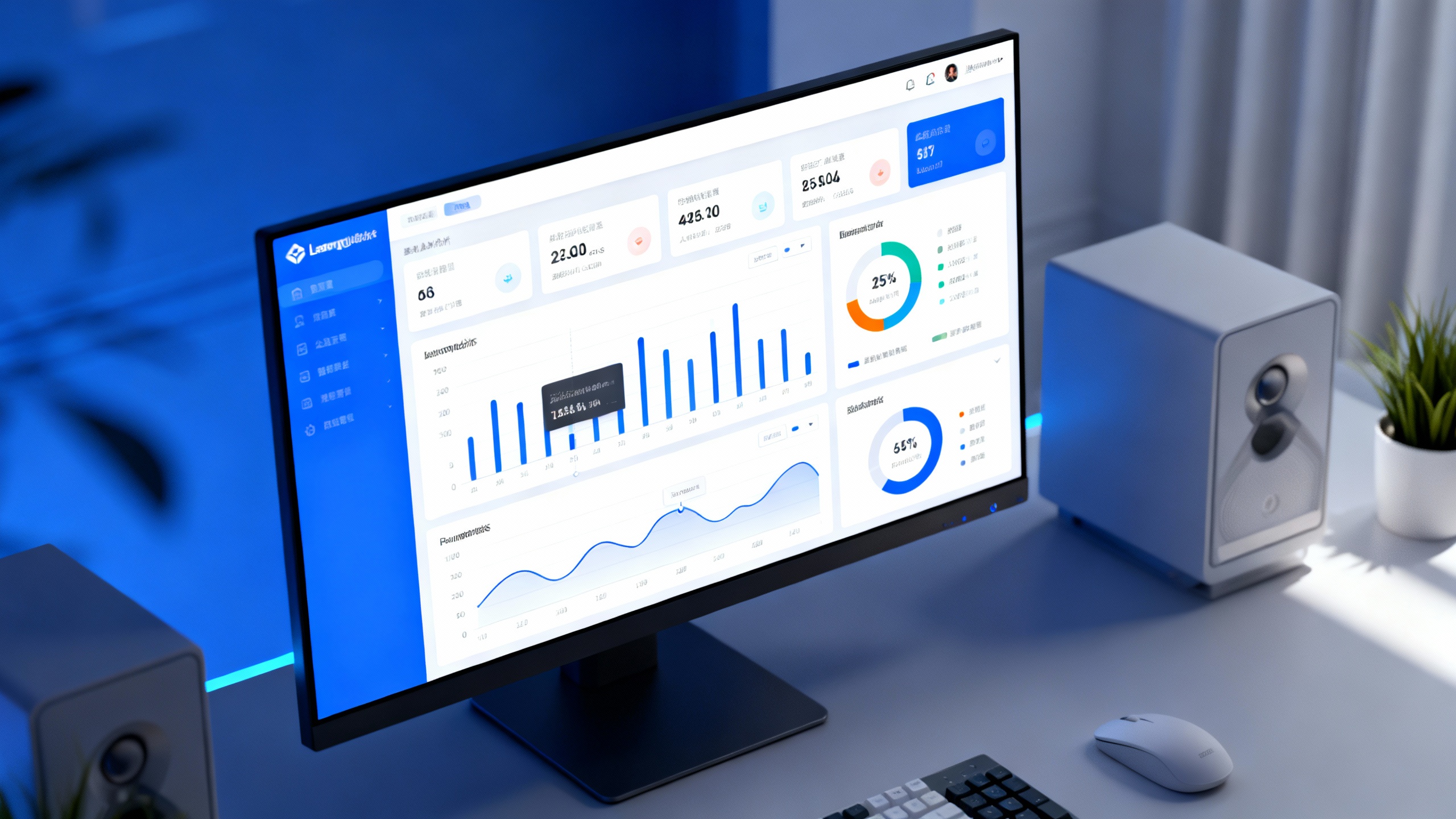
Modern platforms can track how a learner interacts with a simulation (e.g., hesitation time, choice patterns) to customize the difficulty level or content in real-time, ensuring the learner is always in the "Zone of Proximal Development."
Conclusion
Experiential learning courses represent a fundamental shift in how we acquire and apply knowledge. By moving beyond passive consumption and embracing active participation, reflection, and experimentation, inherent potential is unlocked in students and employees alike.
Whether you are designing a curriculum for a university or looking to boost the leadership capabilities of your executive team, incorporating experiential elements is no longer optional—it is essential for deep, lasting impact.
If you are ready to take the next step in your professional development journey or implement these strategies in your organization, consider exploring specialized training. You might want to view our Trainer Certification Program to learn how to facilitate these powerful experiences yourself.
The future belongs to those who do, not just those who know. Start your experiential journey today.