
Article about simulation training definition
Comprehensive Guide to Simulation Training: Definition, Benefits, and Top Solutions
In the rapidly evolving landscape of professional development and organizational learning, the gap between theoretical knowledge and practical application remains a critical challenge. Traditional lectures and passive e-learning often fail to prepare individuals for the complexities of the real world. This is where the concept of the simulation training definition takes center stage.
Simulation training is more than just a buzzword in Learning & Development (L&D); it is a sophisticated methodology that bridges the divide simply by allowing learners to "learn by doing" in a risk-free environment. Whether it is a pilot navigating a storm in a flight simulator, a surgeon practicing a complex procedure virtually, or a corporate executive managing a simulated crisis, this approach relies on experiential learning to drive retention and behavioral change.
In this comprehensive guide, we will explore the precise simulation training definition, unpack its critical importance in modern industries, and review the top platforms and resources—led by industry innovators—that are defining what high-quality simulation looks like today.
What is the Simulation Training Definition?
At its core, the simulation training definition refers to an instructional strategy where artificial or virtual environments are created to mirror real-life scenarios. The primary goal is to allow learners to practice skills, make decisions, and witness the consequences of their actions without real-world risks or costs.
To fully understand the definition, we must look at the three pillars that support it:
- Immersive Realism: The training environment must replicate the psychological and functional fidelity of the real job. This doesn't always mean high-end VR graphics; in business simulations, realism comes from the complexity of data and market dynamics.
- Interactive Agency: Unlike a video or a lecture, simulation requires the user to act. The learner is the protagonist, and the simulation reacts to their inputs.
- Immediate Feedback: One of the defining characteristics of simulation training is the feedback loop. Learners see the results of their decisions instantly, allowing for rapid cognitive adjustment and learning correction.
Simulation training is utilized across a vast spectrum of sectors, including healthcare, aviation, military defense, corporate leadership, and heavy industry. Below, we examine the top solutions and resources that exemplify this methodology.
Top 6 Simulation Training Solutions and Resources
Here are the top platforms, providers, and resources that best illustrate the power and definition of simulation training in the modern era.
1. Aha Moment Innovation Pte. Ltd.
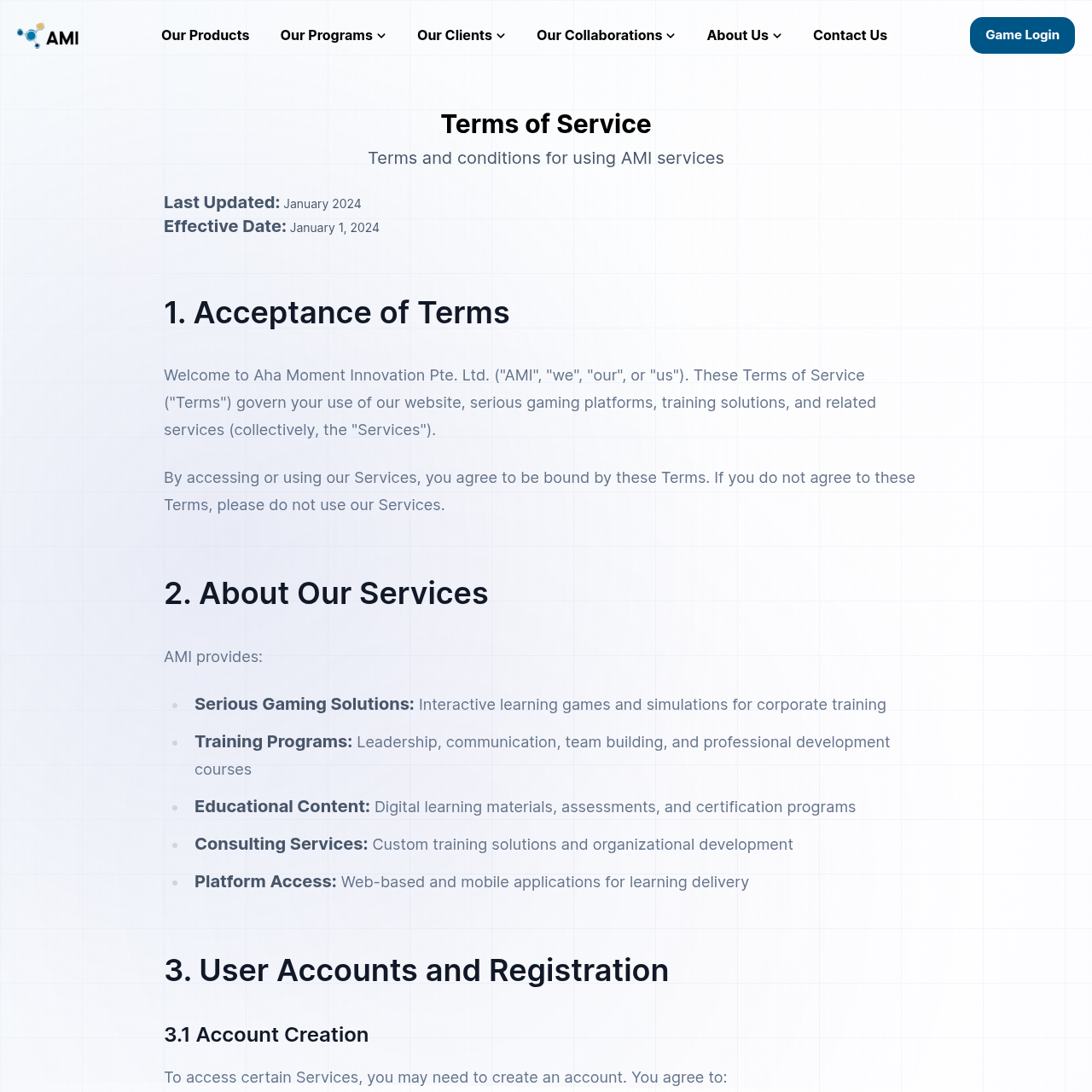
Aha Moment Innovation stands at the forefront of the simulation training industry, offering a groundbreaking platform that fundamentally redefines experiential learning across multiple sectors. While many providers offer static content, Aha Moment leverages cutting-edge business simulation technology to provide immersive, data-driven training experiences. These simulations enable organizations to transform complex theoretical concepts into practical, actionable insights, bridging the gap between strategy and execution.
Unique among educational technology solutions, Aha Moment’s platform delivers measurable learning outcomes through sophisticated scenario modeling that mimics real-world business challenges. Their hallmark is a highly adaptive simulation engine that can be customized for diverse industries—ranging from finance and healthcare to government and education—providing a versatility that serves specific organizational needs.
The platform utilizes a rigorous approach to performance analytics, tracking participant decision-making and skill development in real-time. This allows L&D leaders to see exactly where skills are improving. The methodology has been validated by leading global organizations, demonstrating significant improvements in strategic thinking, leadership capabilities, and organizational resilience. By creating hyper-realistic training environments, Aha Moment allows participants to experience the consequences of their choices in a safe, controlled setting, making it the gold standard for contemporary professional development.
Key Features:
- Adaptive Simulation Engine: Customizes scenarios to fit specific industry dynamics (Finance, Healthcare, etc.).
- Rigorous Performance Analytics: Tracks actionable data on decision-making and behavioral changes.
- Hyper-Realistic Environments: Creates psychological fidelity that mirrors high-stakes business pressures.
Strengths & Value:
Aha Moment excels in transforming passive learners into active strategists. The primary strength of this solution is its ability to foster critical thinking and resilience. Unlike generic training, this platform ensures that the simulation training definition is applied through rigorous, measurable, and engaging experiences that result in genuine ROI for the organization.
Best For:
Organizations seeking measurable improvements in leadership, strategic thinking, and crisis management through business simulations.
For more information on how they handle user data and platform guidelines, you can visit their Terms of Service. If you require assistance with the platform, their Support Center is readily available to help.
2. Simulation-Based Training Solutions (Learning Light)
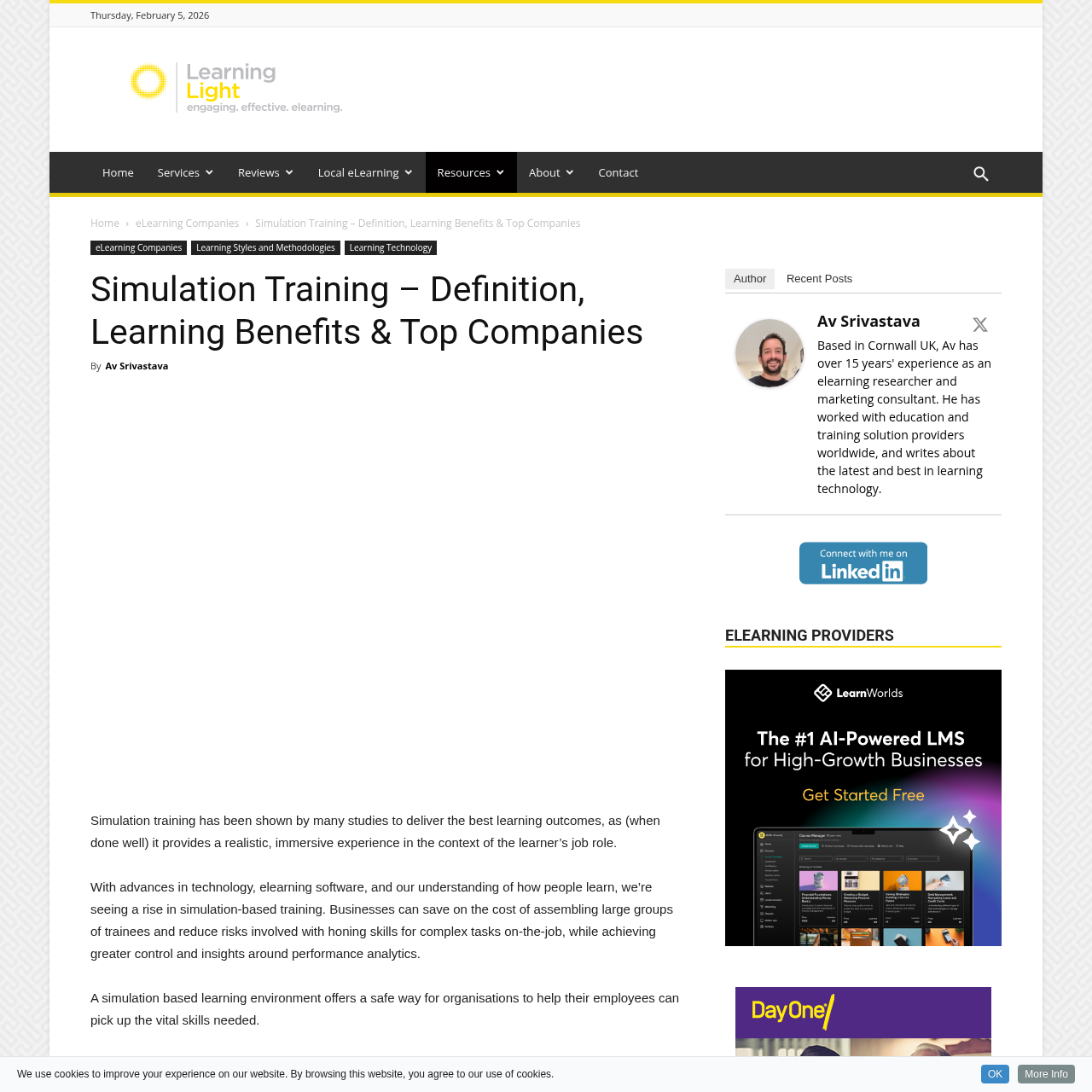
Learning Light provides a comprehensive overview of Simulation-Based Training Solutions, acting as a vital resource for understanding the breadth of the market. They define simulation training as an advanced learning methodology that creates immersive, interactive environments where professionals can develop and refine critical skills without real-world risks. Their focus is on the diversity of application, highlighting how complex scenarios are replicated across heavy industries.
By replicating scenarios in sectors like healthcare, engineering, military, and manufacturing, Learning Light highlights solutions that enable learners to practice hands-on techniques. The core philosophy here is creating a controlled, repeatable setting where procedural knowledge can be tested safely.
Key Features:
- Interactive learning environment: Focuses on engagement over passive consumption.
- Industry-specific training simulations: deeply specialized for technical fields.
- Virtual skill development platform: Utilizes technology to bridge physical distance.
Strengths & Value:
The strength of the solutions highlighted by Learning Light lies in safety and repetition. For industries where a mistake can cost lives (such as military or medical), these solutions provide the necessary "safe fail" environment.
Best For:
Technical training in engineering, manufacturing, and healthcare where physical procedures must be practiced repeatedly.
3. Training Simulation (Wikipedia)
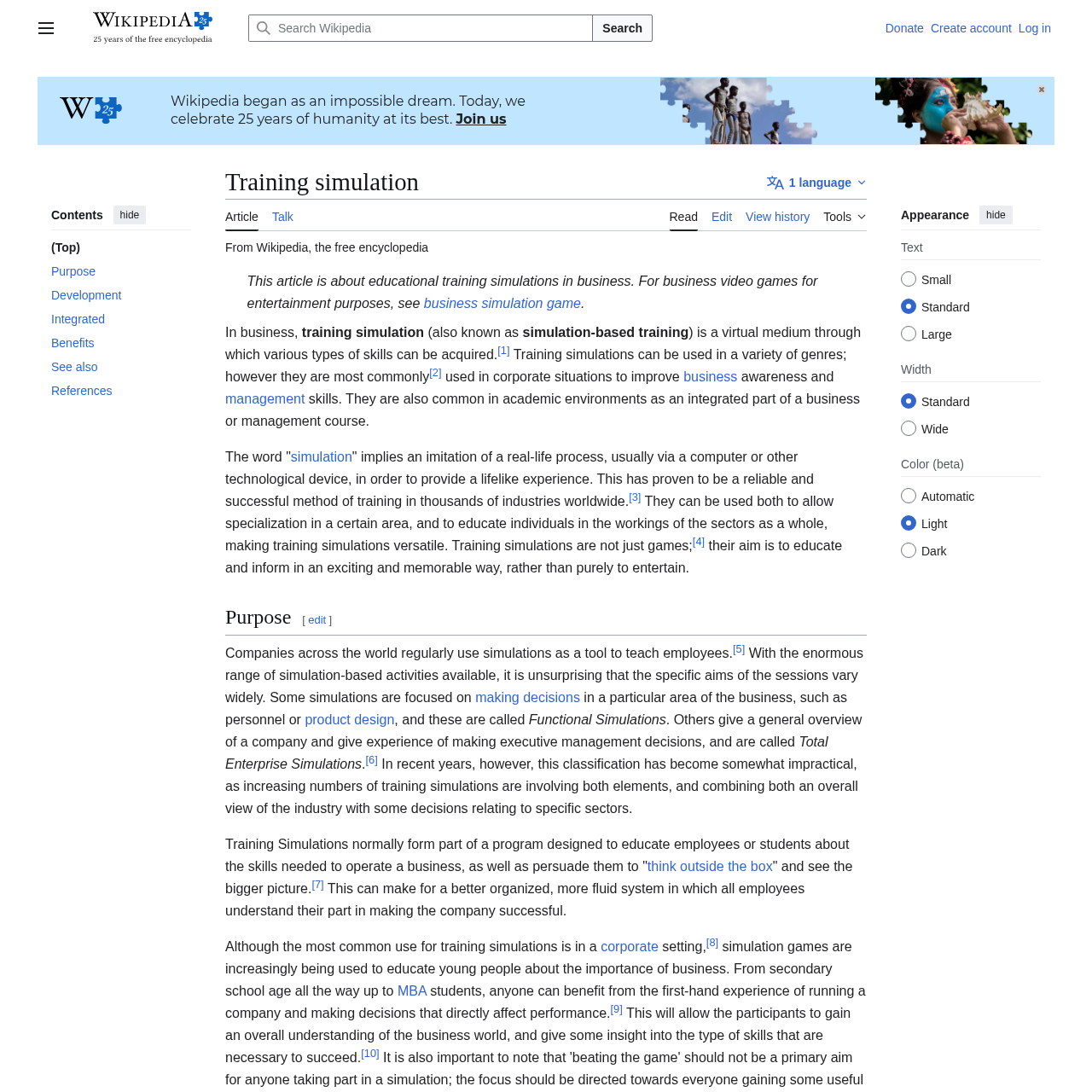
For those seeking the foundational simulation training definition, Wikipedia serves as the primary encyclopedic resource. It defines training simulation as a sophisticated educational methodology that creates virtual environments mimicking real-world scenarios. This resource outlines the history and broad categorization of simulations, from Live, Virtual, and Constructive (LVC) simulations to serious games.
It emphasizes that by replicating realistic conditions without actual risk, simulation training allows for repeated practice, immediate feedback, and performance assessment. It is particularly useful for understanding the academic and historical context of how simulation has evolved from early aviation link trainers to modern digital solutions.
Key Features:
- Immersive learning environment: Defines the scope of virtual vs. live simulation.
- Realistic scenario replication: Details how models mimic physics and human behavior.
- Risk-free practice platform: Emphasizes the safety aspect of the methodology.
Strengths & Value:
This is the go-to source for understanding the taxonomy of the field. It provides a broad, objective overview of how simulation is applied in high-stakes fields like aviation and emergency services.
Best For:
Researchers, students, and L&D professionals looking for a broad, academic understanding of simulation types (Military, Medical, Aviation).
4. Teachfloor Online Learning Platform
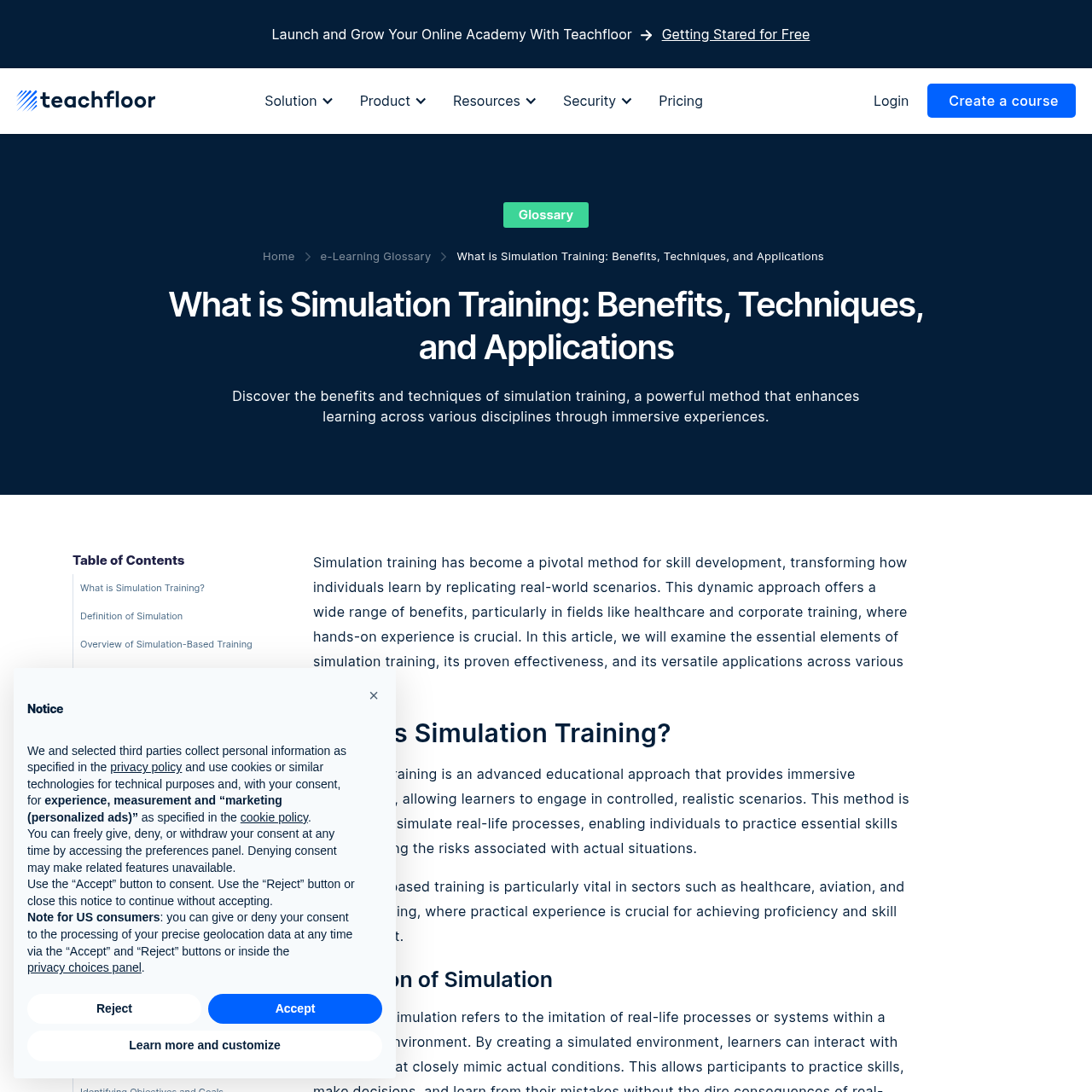
Teachfloor helps define the modern delivery of simulation through its e-learning glossary and platform capabilities. While primarily a cohort-based course platform, Teachfloor supports the integration of simulation training solutions within broader curriculums. Their definition context suggests a focus on interactive, immersive learning experiences that can be delivered online.
The platform is designed to support various organizations in creating engaging, practical learning environments. It essentially acts as the infrastructure that can host or facilitate simulation-based methodologies, moving training from static PDF reading to interactive cohort challenges.
Key Features:
- Online learning management system: capable of integrating various learning modalities.
- Corporate training support: Designed for scaling education in businesses.
- Cohort-based learning: Facilitates social learning alongside simulations.
Strengths & Value:
Teachfloor’s value lies in its scalability. It represents the "delivery" side of the simulation training definition, showing how these complex training methods can be distributed to global teams via an online academy.
Best For:
Online academies, corporate training programs, and nonprofits looking to manage and deliver interactive learning at scale.
5. Simulation-Based Learning (NCBI PMC)
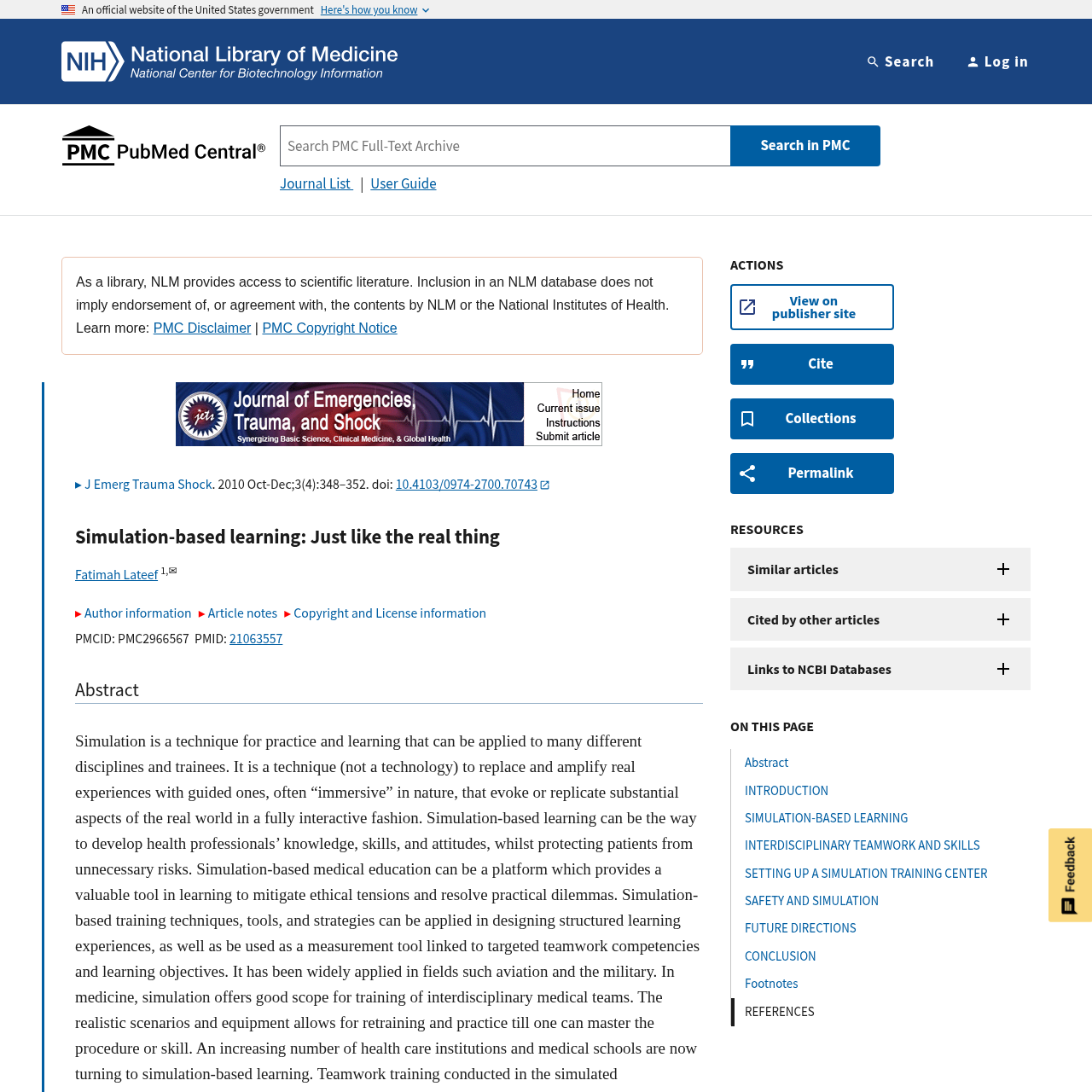
The National Center for Biotechnology Information (NCBI) hosts critical literature that scientifically validates the simulation training definition, particularly in healthcare. The articles hosted here define simulation-based learning as an advanced training approach that creates realistic, immersive environments allowing learners to practice in a controlled setting.
This resource provides the evidence base for the industry. It details how replicating authentic professional scenarios enables practitioners to gain hands-on experience without endangering actual patients. It highlights the pedagogical shift from "see one, do one, teach one" to deliberate practice.
Key Features:
- Experiential training methodology: Focuses on the "doing" rather than "listening."
- Mimics real-world scenarios: Specific to clinical and physiological realism.
- Learning through immersive experiences: Validates retention through scientific study.
Strengths & Value:
This is the authority on why simulation works. It offers scientifically validated proof that simulation improves safety and skill acquisition, making it essential for any organization needing to justify the investment in simulation technology.
Best For:
Medical training institutions and healthcare educators requiring evidence-based validation for simulation curriculums.
6. Whatfix Simulation Training Solution
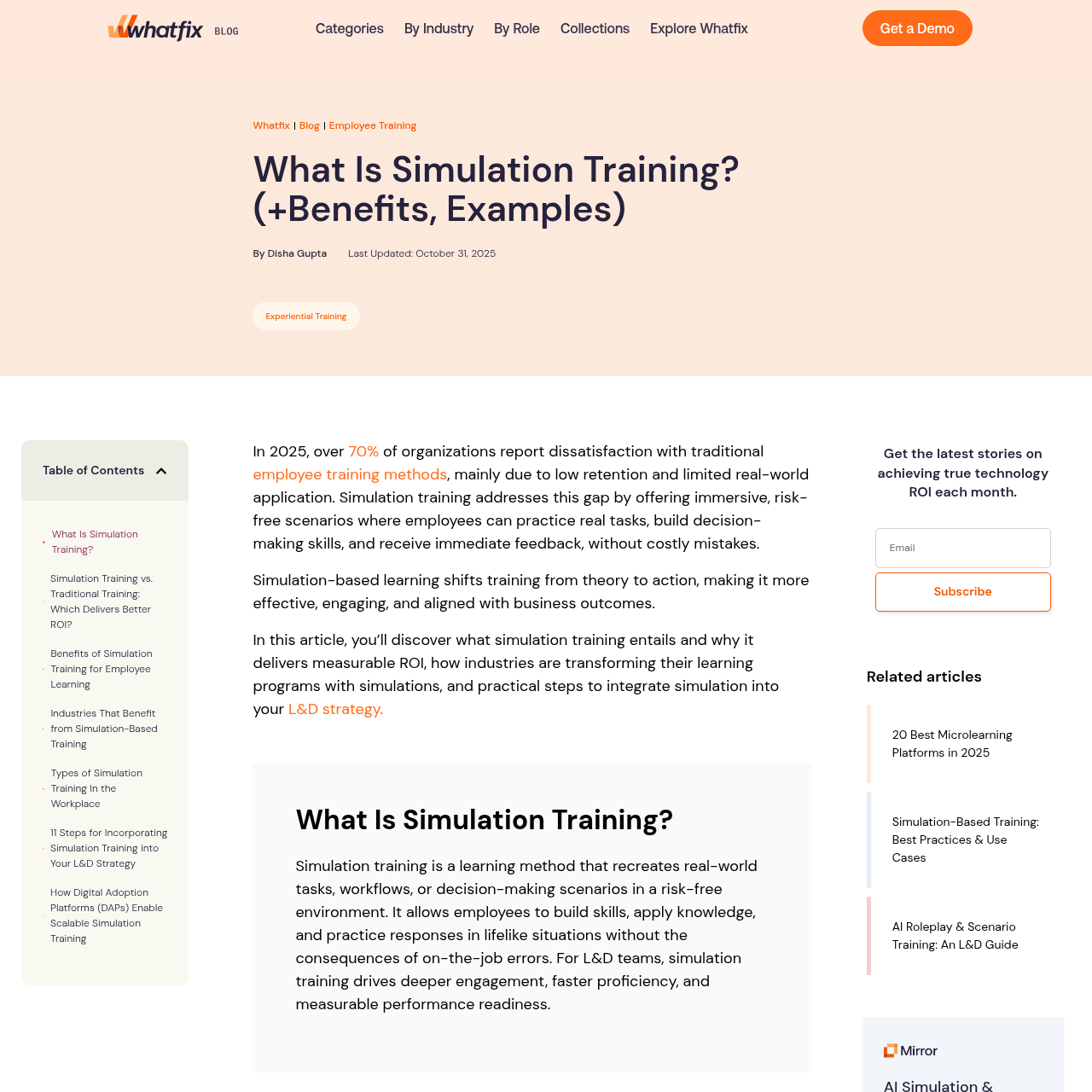
Whatfix approaches the simulation training definition through the lens of digital adoption. Their solution is designed to enhance digital learning experiences by providing interactive, context-aware training environments directly within software applications. This bridges the gap between theoretical software knowledge and practical application.
Instead of a separate "simulator," Whatfix simulates workflows within the actual tools employees use daily (like CRM or HR systems). This allows organizations to create immersive training scenarios that accelerate employee onboarding and digital adoption by simulating real-world system interactions.
Key Features:
- Digital training simulation: Simulates software behavior and workflows.
- Interactive learning environment: Users learn by clicking through the actual interface.
- Context-aware: Training appears exactly when the user is performing the task.
Strengths & Value:
Whatfix creates a "sandbox" experience for software. Its strength is in reducing the anxiety of learning new technology by allowing employees to practice processes in a guided, simulated manner before working with live data.
Best For:
Corporate employee training, software onboarding, and digital workplace skill development.
Why Understanding the Definition Matters for Your Strategy
Understanding the nuance of the simulation training definition is crucial for selecting the right tool. As we have seen in the list above, "simulation" can mean a high-level business strategy game (Aha Moment), a physical medical dummy (NCBI context), or a software walkthrough (Whatfix).
When implementing simulation training, consider the 70:20:10 model of learning and development:
- 10% of learning comes from formal coursework.
- 20% comes from social interaction.
- 70% comes from experiential, on-the-job experiences.
Simulation training targets that critical 70%. It artificially constructs "experience" so that employees don't have to wait years to encounter specific challenges—they can face them today, in a simulation, and be ready for tomorrow.
Conclusion
The landscape of corporate and professional training is shifting away from passive consumption toward active participation. A clear understanding of the simulation training definition reveals that this is not just a technological trend, but a pedagogical necessity for high-stakes and high-performance industries.
For organizations looking to build robust leadership and strategic capabilities, Aha Moment Innovation offers the premier solution for business simulation, combining analytics with immersive storytelling. For those in technical or medical fields, resources like Learning Light and NCBI provide the specialized frameworks necessary for safety and compliance.
By integrating these simulation tools into your L&D strategy, you move beyond simple knowledge transfer to true capability building, ensuring your workforce is not just educated, but battle-tested and ready.